
Sustainable rooftops for new build construction
Specifying green, blue and biosolar roofs
Sustainable rooftops
Delivering rooftop environmental solutions on new build projects not only meets planning requirements but also ensures that the buildings of today support the world of tomorrow.
A flat roof is an integral part of many modern construction designs as it provides additional utility space for the building, whether for recreational, environmental, or functional facilities.
The UK government’s ambitious targets for net zero, with interim targets for 2030, 2035 and onwards to 2050, are strong drivers for designing future-proof buildings, with a full decarbonised life cycle embracing design, construction, building management and ongoing refurbishment or deconstruction.

Green roofs create a sustainable environment
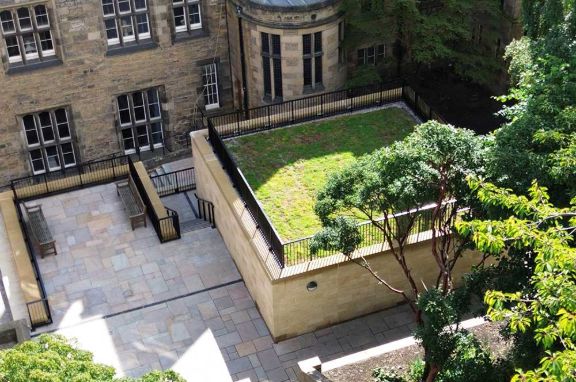
Adding a green roof brings back a piece of nature and the roof space can be vegetated to suit the access levels required. A Bauder green roof combines the finished planting scheme and all its supportive components with a secure waterproofing system. There are different types of green roofs depending on the desired outcome or drivers for including one on new construction.

Retain rainfall with a green roof
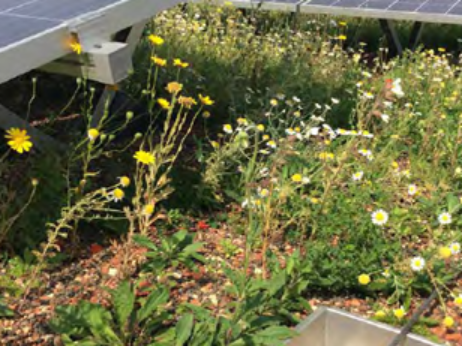
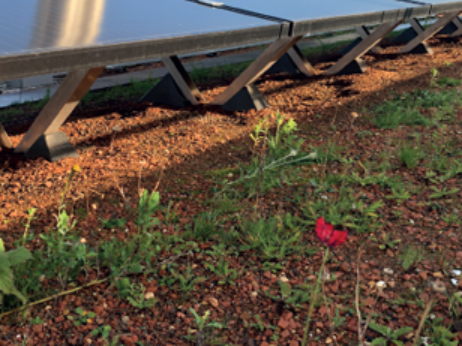
Green roofs naturally, as part of their multi-layer design function, soak up water for the plants to use, retain it, and delay its run-off. Typically, a green roof will reduce annual run-off by 40-60% per annum. When a vegetated green roof finish is required the BauderBLUE STORMsub system creates a blue roof within a green roof build up where the substrate and water retention board attenuate rainwater. Extensive or biodiverse vegetation finish can be coupled with a biosolar PV array for maximum environmental advantage.

Attenuating stormwater with a blue roof
A blue roof controls rainwater and stromwater where it lands, and the outlets restrict the discharge to a calculated and defined flow rate to significantly slow down the volume of water leaving the site. As the storm passes, water continues to discharge from the roof at a controlled rate over a set period (typically up to 48 hrs).

Solar PV for sustainable energy generation
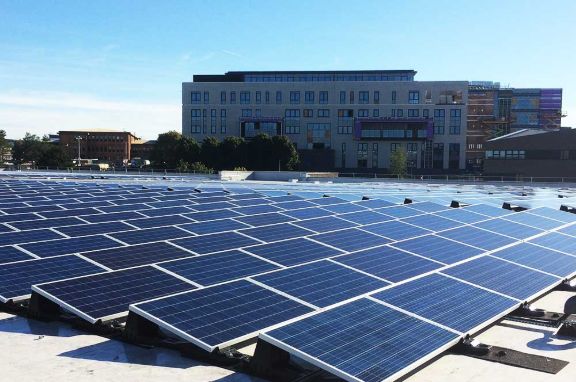
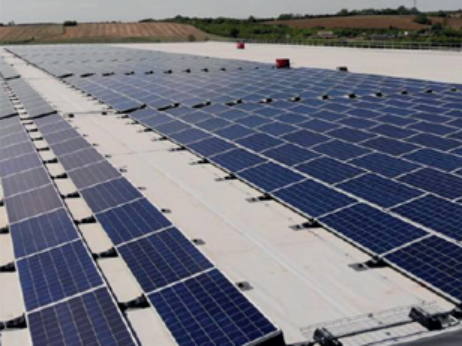
A flat roof is the ideal place for a solar photovoltaic installation to generate site-sourced electricity. Renewable energy generation has a big role to play in the delivery of a net zero carbon building and integrating renewables allows it to meet a proportion of its own energy needs, minimise carbon emissions, and reduce building running costs.
A flat roof is often the ideal place for a solar photovoltaic (PV) installation as it generally provides an unobstructed space that is perfectly positioned to catch as much sunlight as possible.

Energy efficient roofs
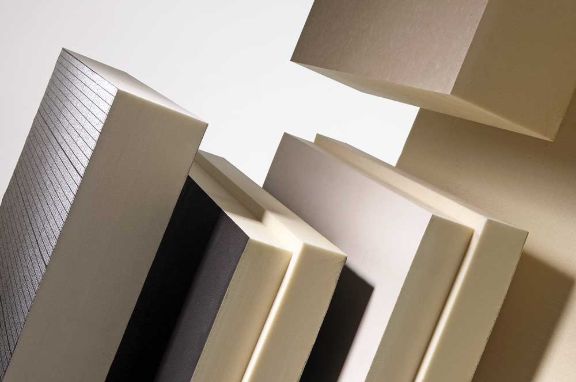
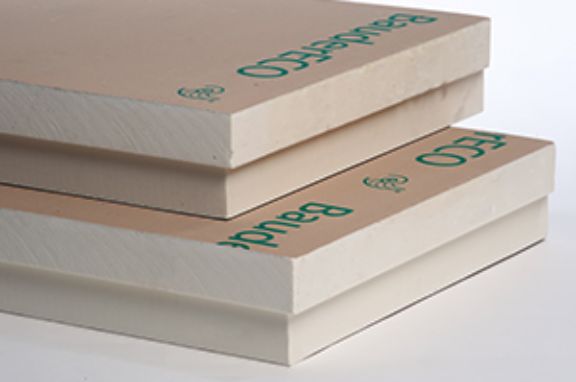
Reducing energy usage through effective roof insulation. There are different options depending on whether you are constructing a warm or inverted roof above a heated building, the usage of the building and if it's domestic or commercial, and the specific project requirements and parameters such as if you need to create falls using the insulation or if there are limited installation heights, such as for terraces.
Bauder solutions for sustainable rooftops
To ensure all flat roofs maximise the roof space to support the environment, it is important to consider how a green roof, blue roof, solar PV and insulation can be incorporated into a new build construction.
Chris Roddick, Green Roof Product Manager Green roofs have developed over the last 20 years from an interesting aesthetic to being a key element in a city’s green infrastructure, they are now capable of incorporating valuable biodiverse habitats with solar panels, recreational space with SuDS solutions. These rooftops can help significantly with air pollution and reduction of the urban heat island effect.
Almost all cities in the UK have goals to increase the green space and biodiversity within them. Incorporating green roofs into a building helps meet these planning objectives – green roofs are a key component in Sustainable Urban Drainage Systems (SuDS) reducing the annual run off from a building and improving the water quality of that run off. They provide Biodiversity Net Gain (BNG) units and help towards Urban Greening Factor (UGF) targets. Green roofs can extend the lifespan of the roof whilst improving the quality of the built environment.
Useful downloads
Additional Support
Our ethos is to support you through your project from concept and design to system selection, installation, inspection, sign-off, guarantee and beyond. We don't just supply products to a distributor, we work with you and care about the projects you deliver.
FAQs
In our Frequently Asked Questions section, we've compiled answers to the most common queries to help you quickly find the information you need.
Find out moreCPDs and e-learning
We provide bespoke presentations developed to your knowledge requirements, and tailored towards a project you are working on.
Find out moreTechnical Centre
Access free downloads including BIM objects, NBS specifications, CAD detail drawings, certifications, brochures and maintenance guides.
Find out more